


BIODYNAMIC
Corvina and Corvinone 70%, Rondinella 20%, Oseleta 10%
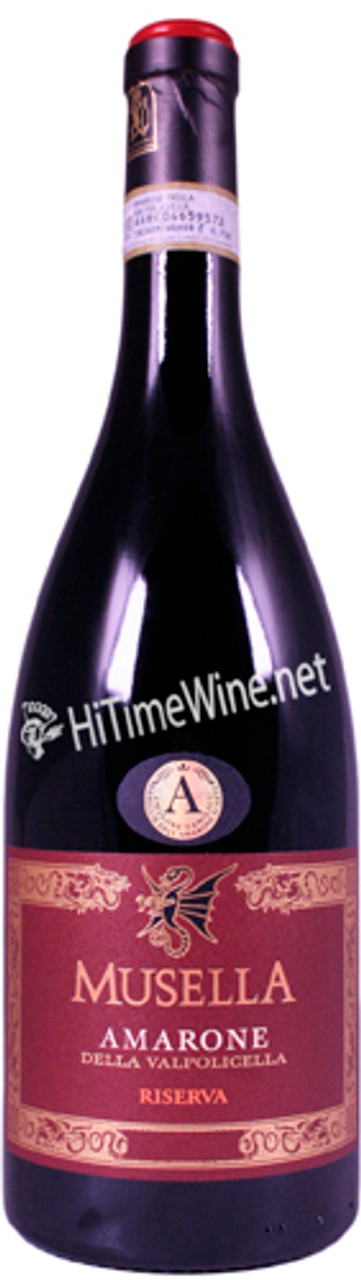
ERIC GUIDO, VINOUS MEDIA 94+ POINTS - "Coy and brooding in the glass, the 2016 Amarone della Valpolicella Riserva grumbles up with a dark mix of black currants, cinnamon and balsamic spice. It's surprisingly silky and energetic within, smoothing over the palate with ultra-ripe red and black fruits contrasted by a saline core of acidity. While tannic and drenching the senses in concentration, the 2016 maintains a lively character, even if youthfully poised. This will require cellaring to show its best, yet I expect it will be worth waiting for." - Eric Guido
WINERY NOTES - "The healthiest, ripest bunches of picked grapes undergo a unique drying process (Appassimento) that take place, on cases in a well naturally ventilated loft. The grapes lose at least the 35% of their original weight thereby concentrating sugar, aromatic compounds and noble tannins. In January grapes are gently crushed and the fermentation starts at low temperature(13-17 C). then, transfer to oak barrels of 700, 1500 and 3500 litres of various origins and composition and age."
Corvina and Corvinone 70%, Rondinella 20%, Oseleta 10%
ERIC GUIDO, VINOUS MEDIA 94+ POINTS - "Coy and brooding in the glass, the 2016 Amarone della Valpolicella Riserva grumbles up with a dark mix of black currants, cinnamon and balsamic spice. It's surprisingly silky and energetic within, smoothing over the palate with ultra-ripe red and black fruits contrasted by a saline core of acidity. While tannic and drenching the senses in concentration, the 2016 maintains a lively character, even if youthfully poised. This will require cellaring to show its best, yet I expect it will be worth waiting for." - Eric Guido
WINERY NOTES - "The healthiest, ripest bunches of picked grapes undergo a unique drying process (Appassimento) that take place, on cases in a well naturally ventilated loft. The grapes lose at least the 35% of their original weight thereby concentrating sugar, aromatic compounds and noble tannins. In January grapes are gently crushed and the fermentation starts at low temperature(13-17 C). then, transfer to oak barrels of 700, 1500 and 3500 litres of various origins and composition and age."
