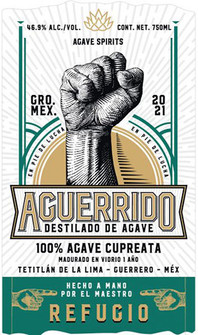
Producer: REFUGIO CALZADA HERNÁNDEZ
TETITLÁN DE LA LIMA, CHILAPA DE ALVAREZ, GRO.
Don Cuco, as he's known to friends, was the president of a local association of mezcaleros and magueyeros (agave farmers) for many years, and has been a leading force behind popular agave and tree reforestation efforts that have helped make agave more plentiful today than in his youth.
Though he works almost exclusively with maguey papalote, Don Cuco's bodega is home to a diverse collection joven, capón and glass-aged spirits, as well as a few special batches macerated with chumilin (Atizies taxcoensis), a local stink bug considered a seasonal delicacy.
THE BASICS (NOVEMBER, 2020)
How old are you, and how long have you been making mezcal?
Don Refugio: I'm 67, and I've been making mezcal for 50 years.
How many generations has your family been producing mezcal?
DR: Three, beginning with my father.
What is the key to making excellent mezcal?
DR: Excellent mezcal comes from knowing when to cut the maguey, not letting it sit and dry for too long after it's cut, taking care to shave the piñas close, and cooking it just long enough that there is no sourness.
What do you hope to accomplish through your work?
DR: To have it profit and support my whole family.
PRODUCTION
- Distilling Season(s): January-June
- Woods used in Oven: Encino, tepozcahuite, tepehuaje
- Agaves used: Papalote, Espadín
- Oven Size: 10 tons
- Cook Time: 6 days
- Rest Between Oven and Mill: 1 day
- Mill Type: Chopped with a hatchet, then fed into a wood chipper
- Fermentation vessel: Open air ayacahuite tinas
- Water Source: Spring
- Fermentation Time: 4 days
- Still Type: 3 Copper Alambiques (300 liters/each)
- Distillations: 2
- Composition: 50% cuerpo, 30% puntas, 20% colas
Batch Tech Sheets
05/20 Papalote Capón Madurado en Vidrio
A portion of this batch (96 bottles) was bottled in the Fall of 2020, and released in California in the Spring of 2021 while the other 116 liters were allowed to continue resting in garrafones in Don Cuco's bodega until they were bottled in the Fall of 2021. Though the distillate is identical, the extra time resting in glass has had a noticeable effect most easily measured by the change in abv (the first bottles released were 47.1% Abv).