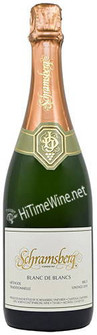
WINE SPECTATOR - 90 POINTS
A flinty, smoky version, with a silky, streaming palate of orchard fruit, herbs and petrol rounded out with a kiss of brioche. Shows good depth, minerality and length, with energy pulsing from start to finish. Elegant and stylish. Grauburgunder and Weissburgunder. Drink now through 2028. 145 cases imported.
JANCIS ROBINSON 50/50 Weiss- and Grauburgunder (Pinot Blanc and Pinot Grigio). Gentle, well-judged blend that delivers real fruit and refreshment. Saline, quite long, finish. (JR)
PRODUCT NOTES:
The 2022 Bernhard Huber Breisgau is a blend of Pinot Blanc and Pinot Gris from Malterdingen in Baden, Germany - at the foothills of the Black Forest... but taste-wise, think of this wine as "Burgundy adjacent" (about 3 hours northeast from there, to be exact). It's vinifinication is much like a top white Burgundy: barrel-fermented and aged in barrique, partly with new oak, by Julian Huber, who took over after his father Bernhard, one of Germany's most respected producers. Their philosophy is "less is more."
For white burgundy drinkers, Huber's Breisgau delivers premier-cru-level complexity and pedigree at a fraction of the price. This astonishing white could easily be mistaken for a Meursault. The difference is the grapes - Pinot Blanc and Pinot Gris instead of Chardonnay - which gives it a slightly rounder, softer mid-palate than Chardonnay from Burgundy, with less of that laser-sharp citrus edge, and more stone fruit generosity. Malterdingen sits on the same type of weathered shell limestone that defines France's Côte de Beaune. Julian Huber himself says his goal is "dry wines of origin" focused on Burgundian varieties grown on these limestone soils. The winemaking - spontaneous fermentation, barrique aging, extended lees contact - mirrors what you'd see at a good Meursault or Puligny domaine. In the glass, the 2022 Breisgau is bright and lightly golden. The nose opens with a top-note of green apple, citrus, yellow fruit, and a flinty, slightly reductive quality - the type of "struck flint" character you find in a serious Meursault. On the palate it's dry, taut, and mineral-driven with lively acidity and a saline finish. This is the kind of bottle that converts Burgundy loyalists.
JANCIS ROBINSON 50/50 Weiss- and Grauburgunder (Pinot Blanc and Pinot Grigio). Gentle, well-judged blend that delivers real fruit and refreshment. Saline, quite long, finish. (JR)
PRODUCT NOTES:
The 2022 Bernhard Huber Breisgau is a blend of Pinot Blanc and Pinot Gris from Malterdingen in Baden, Germany - at the foothills of the Black Forest... but taste-wise, think of this wine as "Burgundy adjacent" (about 3 hours northeast from there, to be exact). It's vinifinication is much like a top white Burgundy: barrel-fermented and aged in barrique, partly with new oak, by Julian Huber, who took over after his father Bernhard, one of Germany's most respected producers. Their philosophy is "less is more."
For white burgundy drinkers, Huber's Breisgau delivers premier-cru-level complexity and pedigree at a fraction of the price. This astonishing white could easily be mistaken for a Meursault. The difference is the grapes - Pinot Blanc and Pinot Gris instead of Chardonnay - which gives it a slightly rounder, softer mid-palate than Chardonnay from Burgundy, with less of that laser-sharp citrus edge, and more stone fruit generosity. Malterdingen sits on the same type of weathered shell limestone that defines France's Côte de Beaune. Julian Huber himself says his goal is "dry wines of origin" focused on Burgundian varieties grown on these limestone soils. The winemaking - spontaneous fermentation, barrique aging, extended lees contact - mirrors what you'd see at a good Meursault or Puligny domaine. In the glass, the 2022 Breisgau is bright and lightly golden. The nose opens with a top-note of green apple, citrus, yellow fruit, and a flinty, slightly reductive quality - the type of "struck flint" character you find in a serious Meursault. On the palate it's dry, taut, and mineral-driven with lively acidity and a saline finish. This is the kind of bottle that converts Burgundy loyalists.